Support for Postpartum Depression

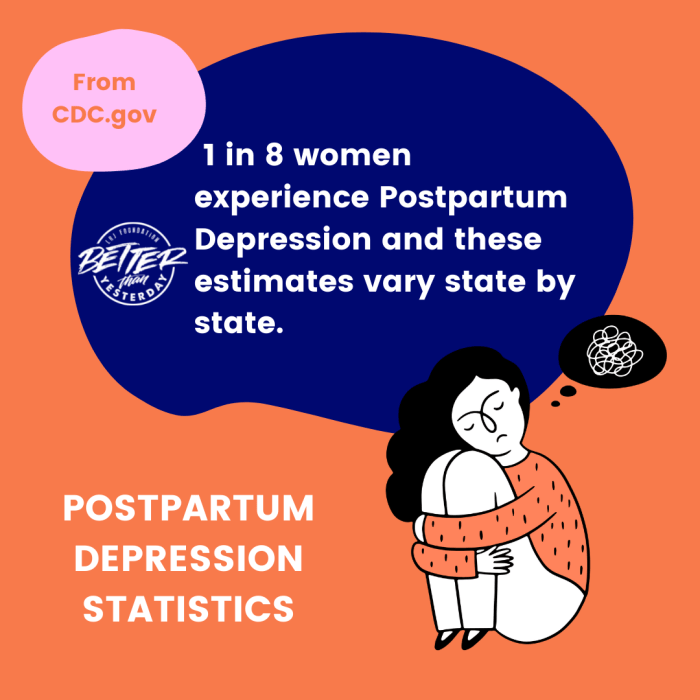
Support for postpartum depression is crucial for new mothers navigating the complex emotional landscape following childbirth. This period, often idealized, can present significant challenges, from the hormonal shifts triggering “baby blues” to the more persistent and debilitating symptoms of postpartum depression (PPD). Understanding the nuances of PPD, differentiating it from normal postpartum adjustments, and accessing appropriate support are vital for maternal wellbeing and family health.
This guide explores various aspects of postpartum depression, encompassing its symptoms, risk factors, and effective treatment options. We will delve into stress management techniques, mindfulness practices, and the crucial role of support networks, including healthcare professionals and community resources. Furthermore, we’ll address the importance of advocating for better access to mental healthcare services and reducing the stigma surrounding postpartum mental health issues.
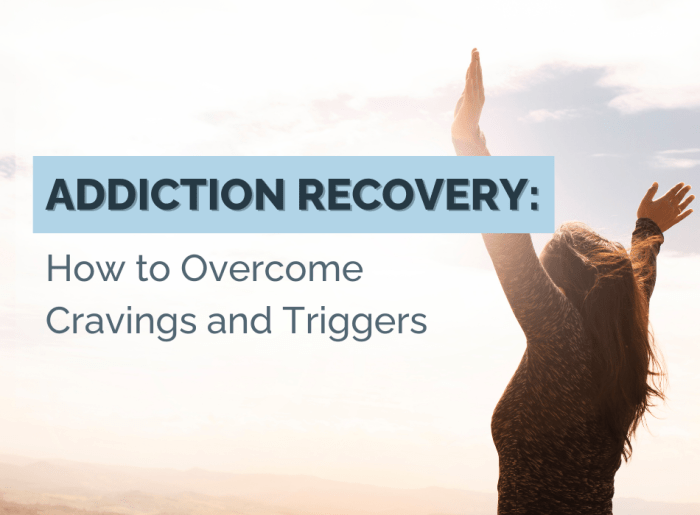
Overcoming Addictions and Postpartum Mental Health: Support For Postpartum Depression
The postpartum period is a time of significant physical and emotional change for new mothers. For those struggling with addiction, this transition can be particularly challenging, exacerbating existing vulnerabilities and potentially leading to relapse or the development of new dependencies. The hormonal shifts, sleep deprivation, and intense emotional rollercoaster of motherhood can significantly impact a person’s ability to manage addictive behaviors.
Understanding these challenges is crucial to providing effective support and promoting recovery.The interconnectedness of addiction and postpartum mental health is undeniable. Postpartum depression (PPD), anxiety, and other mental health conditions are frequently co-occurring with substance use disorders. The symptoms of these conditions can overlap, making diagnosis and treatment more complex. For example, the irritability and emotional lability associated with PPD can mimic withdrawal symptoms, leading to misdiagnosis or delayed intervention.
Conversely, untreated addiction can worsen the severity of PPD, creating a vicious cycle of distress and impaired functioning.
The Challenges of Managing Addiction During the Postpartum Period
The postpartum period presents unique obstacles for individuals managing addiction. Hormonal fluctuations can intensify cravings and increase the risk of relapse. The demands of caring for a newborn often disrupt routines and support systems that are essential for maintaining sobriety. Sleep deprivation, a common experience for new parents, further compromises an individual’s ability to cope with cravings and stress.
Social isolation, which can also be prevalent in the postpartum period, can make it difficult to access support and maintain accountability. Financial strain and relationship difficulties, often associated with parenthood, can further complicate the recovery process. These challenges underscore the need for specialized support tailored to the specific needs of postpartum mothers struggling with addiction.
The Importance of Seeking Professional Help
Seeking professional help for both addiction and mental health concerns during the postpartum period is paramount. A multidisciplinary approach, involving healthcare professionals such as obstetricians, psychiatrists, addiction specialists, and therapists, is often necessary to provide comprehensive care. Professionals can accurately diagnose co-occurring disorders, develop personalized treatment plans, and monitor progress. Early intervention is crucial to prevent long-term consequences for both the mother and her child.
Without appropriate support, untreated addiction and mental health issues can significantly impair a mother’s ability to bond with her baby, negatively impacting child development and family well-being.
Addiction Treatment Programs and Support for Postpartum Mothers
Many addiction treatment programs are now recognizing the unique needs of postpartum mothers and adapting their services accordingly. These programs often incorporate specialized therapies that address the interplay between addiction, mental health, and the demands of motherhood. For instance, some programs offer individual and group therapy tailored to the experiences of postpartum women, addressing issues such as trauma, relationship dynamics, and parenting challenges.
They may also integrate medication-assisted treatment (MAT) when appropriate, to manage withdrawal symptoms and reduce cravings. Support groups specifically designed for mothers struggling with addiction provide a safe and supportive environment for sharing experiences and reducing feelings of isolation. These programs prioritize creating a nurturing and understanding environment that fosters recovery while acknowledging the complexities of motherhood.
Resources for Mothers Struggling with Addiction and Postpartum Depression
It is crucial for mothers to know that help is available. A starting point is often their primary care physician or obstetrician, who can provide referrals to specialists and support services. Several national and local organizations offer resources and support for women struggling with addiction and postpartum mental health. These organizations often provide information on treatment options, support groups, and financial assistance.
Examples include (Note: This is not an exhaustive list, and specific resources may vary by location. It is important to consult local directories for relevant services): The Substance Abuse and Mental Health Services Administration (SAMHSA) National Helpline, Postpartum Support International, and local chapters of organizations like Mothers Against Drunk Driving (MADD). Many hospitals and healthcare systems also have dedicated programs for postpartum mental health and addiction treatment.
Personal Growth and Self-Care Strategies
The postpartum period presents unique challenges, and prioritizing personal growth and self-care is crucial for navigating the emotional and physical demands of motherhood. Engaging in activities that foster self-discovery and nurture your well-being can significantly improve postpartum mental health, building resilience and promoting a positive sense of self. This is not about self-indulgence, but rather about recognizing the importance of self-preservation and empowering yourself to be the best parent you can be.Personal growth activities directly impact postpartum mental wellbeing by fostering a sense of control, accomplishment, and self-worth.
When new mothers feel overwhelmed, focusing on personal goals, however small, can provide a sense of agency and purpose. This, in turn, can alleviate feelings of helplessness and improve overall mood. Furthermore, self-care practices reduce stress and anxiety, promoting better sleep and physical health, both of which are significantly impacted during the postpartum period.
Activities Promoting Self-Discovery and Self-Acceptance, Support for postpartum depression
Self-discovery and self-acceptance are fundamental to personal growth. Exploring your interests, values, and passions can lead to a deeper understanding of yourself and your needs. This process can be both challenging and rewarding, helping you to accept your limitations and celebrate your strengths. Examples of activities include journaling, meditation, engaging in creative pursuits like painting or writing, spending time in nature, or simply taking time for quiet reflection.
These activities provide opportunities for self-reflection and introspection, allowing you to process emotions and develop a stronger sense of self.
Setting Personal Goals and Celebrating Achievements
Setting realistic and achievable personal goals is an effective way to foster a sense of accomplishment and boost self-esteem. These goals can be related to physical health, such as incorporating regular exercise into your routine, or to personal development, such as learning a new skill or pursuing a long-held interest. It’s crucial to start small and celebrate every milestone achieved.
This positive reinforcement helps build confidence and motivates you to continue pursuing your goals. For example, a new mother might set a goal to walk for 15 minutes three times a week, gradually increasing the duration and intensity as she gains strength and stamina. Celebrating this achievement, even with a small reward like a relaxing bath, reinforces positive behaviors and contributes to a sense of self-efficacy.
Incorporating Personal Growth Activities into a Busy Schedule
Integrating personal growth activities into a busy postpartum schedule requires planning and prioritization. The key is to start small and build gradually. For instance, dedicating just 15 minutes each day to meditation or journaling can make a significant difference. It is also helpful to enlist support from family and friends, allowing them to assist with childcare or household tasks, freeing up time for self-care.
Scheduling activities into your day, like you would any other important appointment, can help ensure consistency. This might involve setting aside time for a walk while the baby naps or joining a virtual yoga class in the evening. Remember, even small acts of self-care can accumulate to have a significant positive impact on your overall wellbeing.
Successfully navigating postpartum depression requires a multifaceted approach encompassing self-care, professional support, and community engagement. By understanding the symptoms, seeking timely intervention, and utilizing available resources, new mothers can effectively manage the challenges of this period and foster a healthy and fulfilling transition into motherhood. Remember, seeking help is a sign of strength, not weakness, and prioritizing mental wellbeing is essential for both the mother and her family.
User Queries
What is the difference between postpartum “baby blues” and postpartum depression?
Baby blues are mild mood swings, typically lasting a few days, characterized by tearfulness, irritability, and mood changes. Postpartum depression is a more severe and persistent condition with symptoms lasting longer and impacting daily functioning.
How long does postpartum depression typically last?
The duration varies, but many women experience symptoms for several months. With appropriate treatment, symptoms usually improve significantly.
Can I breastfeed while taking medication for postpartum depression?
Many medications are compatible with breastfeeding, but it’s crucial to discuss medication options with your doctor to determine the safest and most effective approach for both you and your baby.
Is postpartum depression preventable?
While not entirely preventable, proactive steps like maintaining a support network, prioritizing self-care, and addressing pre-existing mental health conditions can reduce the risk.