Stress and Anxiety in the Workplace

Stress and anxiety in the workplace are increasingly prevalent issues, significantly impacting employee well-being and organizational productivity. This exploration delves into the multifaceted nature of workplace stress, examining its sources, symptoms, and effective management strategies. We will consider the crucial role of workplace culture, the availability of support resources, and the importance of proactive mental health initiatives in fostering a healthier and more productive work environment.
From identifying common stressors and their impact on individuals to outlining practical techniques for stress reduction and resilience building, this comprehensive guide offers valuable insights and actionable steps for both employees and employers. We’ll also examine the relationship between sleep, mental health, and workplace performance, along with the implications of addiction and the importance of personal growth and self-care.
Mindfulness Practices for Workplace Well-being

Mindfulness, the practice of paying attention to the present moment without judgment, offers a powerful antidote to the stresses of modern work life. By cultivating awareness of our thoughts, feelings, and bodily sensations, we can develop greater emotional regulation, improve focus, and boost overall well-being. This section explores how to integrate mindfulness into your workday for enhanced productivity and a calmer, more fulfilling experience.Mindfulness principles emphasize present moment awareness, non-judgmental observation, and acceptance of experiences as they are.
In the workplace, this translates to focusing intently on the task at hand, acknowledging distracting thoughts without getting swept away by them, and responding to challenges with greater composure. Rather than reacting impulsively to stressful situations, mindfulness encourages a pause, allowing for a more considered and effective response.
A Step-by-Step Guide to Workplace Mindfulness Meditation
This short meditation exercise can be easily incorporated into your workday, even during a busy schedule. Find a quiet space, even if it’s just your desk, and settle comfortably.
- Find a comfortable position: Sit upright in your chair, ensuring your spine is straight but not rigid. You can rest your hands gently on your lap or on the desk.
- Close your eyes gently: Or softly gaze at a fixed point in front of you.
- Focus on your breath: Pay attention to the sensation of your breath entering and leaving your body. Notice the rise and fall of your chest or abdomen. If your mind wanders, gently guide your attention back to your breath.
- Expand your awareness: Gradually broaden your awareness to include other sensations in your body. Notice any tension or discomfort, but don’t try to change them. Simply observe them without judgment.
- Observe your thoughts: As thoughts arise, acknowledge them without getting carried away. Simply note them as “thinking” and gently return your focus to your breath.
- Extend the practice: Start with 5 minutes and gradually increase the duration as you become more comfortable.
Improved Focus, Productivity, and Emotional Regulation Through Mindfulness
Regular mindfulness practice strengthens attention span, allowing for deeper concentration on tasks. This enhanced focus leads to increased productivity and a reduction in errors. By cultivating self-awareness, individuals can better identify and manage their emotional responses to workplace stressors, reducing anxiety and improving overall well-being. Studies have shown a correlation between mindfulness and reduced stress hormones, leading to a more balanced and resilient response to challenging situations.
For example, a study published in the Journal of Occupational Health Psychology demonstrated that mindfulness-based stress reduction programs significantly reduced stress and improved job satisfaction among employees.
A Visual Representation of a Mindful Workspace
Imagine a workspace bathed in soft, natural light. The desk is clutter-free, with only essential items neatly arranged. A small plant adds a touch of nature, and a calming image or a piece of artwork is displayed. The color palette is soothing, perhaps incorporating shades of green and blue. The air is fresh and clean, perhaps with the subtle scent of lavender or chamomile.
The overall atmosphere is one of peace and tranquility, conducive to focused work and mental clarity. A comfortable chair supports proper posture, promoting both physical and mental well-being. Ambient sounds, if any, are calming and unobtrusive, perhaps nature sounds or soft instrumental music. The space is free from distractions, allowing for deep concentration and a sense of calm.
Building Resilience and Coping Mechanisms
Workplace stress is inevitable, but the ability to bounce back from adversity—resilience—is a crucial skill for maintaining well-being and thriving in a demanding environment. Developing resilience isn’t about avoiding challenges; it’s about building the capacity to navigate them effectively and emerge stronger. This involves cultivating both internal strengths and employing practical coping strategies.Resilience is built upon a foundation of self-awareness, self-compassion, and proactive self-care.
Understanding your own stress triggers, recognizing your limitations, and practicing self-forgiveness are all essential components. Without a strong sense of self-compassion, it’s difficult to effectively manage stress and prevent burnout. Self-care, encompassing physical, mental, and emotional well-being, provides the necessary energy and resources to face challenges head-on.
Self-Compassion and Self-Care Practices
Self-compassion involves treating yourself with the same kindness and understanding you would offer a friend facing similar difficulties. This means acknowledging your struggles without self-criticism, recognizing that imperfection is part of the human experience, and offering yourself support and encouragement. Self-care encompasses a wide range of activities designed to replenish your physical and mental resources. This could include regular exercise, mindful eating, sufficient sleep, engaging in hobbies, spending time in nature, or practicing relaxation techniques like deep breathing or meditation.
Prioritizing self-care is not selfish; it’s essential for sustaining mental well-being and building resilience. For example, scheduling a weekly yoga class can provide both physical and mental benefits, reducing stress and improving mood. Similarly, taking short breaks throughout the workday to stretch or walk around can help prevent burnout and maintain focus.
Healthy Coping Mechanisms for Workplace Challenges
Effective coping mechanisms help individuals manage stress and adversity without resorting to unhealthy behaviors. These mechanisms can be categorized into problem-focused and emotion-focused strategies. Problem-focused strategies involve actively addressing the source of the stress, such as seeking clarification on a project, negotiating a deadline, or requesting additional support. Emotion-focused strategies, on the other hand, aim to manage the emotional response to stress, such as practicing mindfulness, journaling, or engaging in relaxing activities.
A balanced approach, incorporating both problem-focused and emotion-focused strategies, is generally most effective. For instance, if facing a conflict with a colleague, a problem-focused approach might involve scheduling a meeting to discuss the issue constructively, while an emotion-focused approach might involve practicing deep breathing exercises to manage anxiety before the meeting.
Actionable Steps to Enhance Resilience
Building resilience is an ongoing process that requires consistent effort and self-reflection. The following steps can help individuals enhance their resilience over time:
Developing a strong support network is crucial. Connecting with trusted friends, family members, or mentors provides emotional support and practical assistance during challenging times. Openly communicating your needs and seeking help when needed demonstrates vulnerability, a key element of resilience. For example, joining a professional networking group or seeking a mentor can provide valuable support and guidance.
- Identify your stressors: Keep a journal to track situations, thoughts, and feelings that trigger stress. This awareness is the first step towards developing effective coping strategies.
- Practice mindfulness: Regularly engaging in mindfulness exercises can help you become more aware of your thoughts and feelings, allowing you to respond to stress more effectively.
- Develop healthy habits: Prioritize sleep, nutrition, and physical activity. These habits provide a strong foundation for both physical and mental well-being.
- Learn to say no: Setting boundaries is essential for preventing burnout. Don’t overcommit yourself, and prioritize tasks effectively.
- Seek professional help: If stress is overwhelming, don’t hesitate to seek support from a therapist or counselor.
Workplace Mental Health Programs and Initiatives
A comprehensive workplace mental health program is crucial for fostering a supportive and productive work environment. Such programs proactively address employee well-being, reducing the impact of stress and anxiety while boosting overall organizational health. This involves a multifaceted approach encompassing various initiatives and resources designed to promote mental wellness and provide support to employees facing mental health challenges.
Components of a Comprehensive Workplace Mental Health Program
A robust workplace mental health program typically incorporates several key components. These include accessible mental health resources, such as Employee Assistance Programs (EAPs) offering confidential counseling and support services. Training programs for managers and supervisors on recognizing and addressing mental health concerns in the workplace are also vital. Furthermore, the program should promote a culture of open communication and understanding around mental health, encouraging employees to seek help without fear of stigma or negative consequences.
Finally, the program should include regular assessments and evaluations to measure its effectiveness and adapt to evolving needs. This might involve employee surveys to gauge satisfaction and identify areas for improvement.
Benefits of Implementing Workplace Mental Health Programs
Implementing a comprehensive workplace mental health program yields significant benefits for both employees and employers. For employees, these programs provide access to crucial support services, reducing stress and improving mental well-being. This leads to increased job satisfaction, improved productivity, and reduced absenteeism. For employers, a strong mental health program contributes to a more engaged and productive workforce, leading to lower healthcare costs associated with mental health issues and reduced employee turnover.
A positive workplace culture focused on mental well-being also enhances the company’s reputation and attracts top talent.
Examples of Successful Workplace Mental Health Initiatives
Several organizations have implemented successful mental health initiatives. For example, Google offers a comprehensive program including on-site mental health professionals, stress management workshops, and flexible work arrangements. Microsoft has invested in mental health training for managers and launched a campaign to destigmatize mental health issues within the company. These initiatives demonstrate a commitment to employee well-being and have resulted in demonstrably positive outcomes.
Another example could be a smaller company implementing a peer support program, where trained employees provide informal support to colleagues. This approach fosters a sense of community and can be very effective in smaller work environments.
Framework for Evaluating the Effectiveness of a Workplace Mental Health Program
Evaluating the effectiveness of a workplace mental health program requires a multi-faceted approach. Key performance indicators (KPIs) should include employee satisfaction surveys measuring perceived support and access to resources. Data on absenteeism, presenteeism (being present but not fully productive), and employee turnover rates can also provide valuable insights. Furthermore, measuring employee productivity and engagement levels can demonstrate the program’s impact on overall organizational performance.
Regular reviews of the program’s components and adjustments based on data analysis are crucial for continuous improvement and ensuring its long-term success. A robust evaluation framework allows for objective assessment and demonstrates the program’s return on investment (ROI) for the organization.
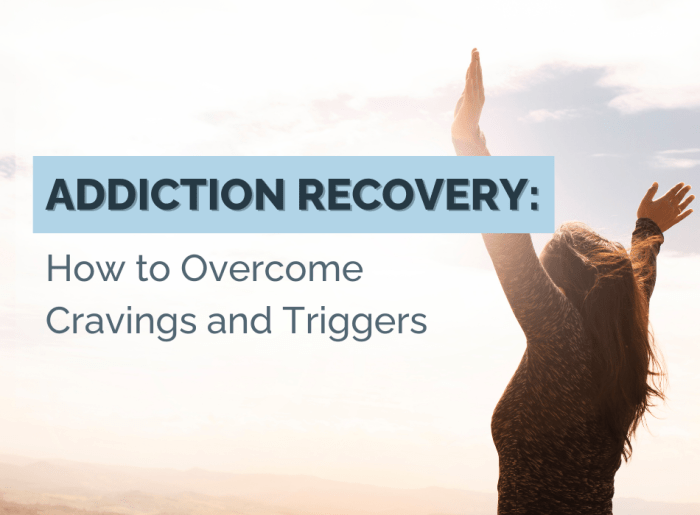
Overcoming Addictions and Their Impact on Workplace Performance: Stress And Anxiety In The Workplace
Addiction, whether to substances like alcohol or drugs, or behaviors like gambling or internet use, significantly impacts workplace performance and overall mental health. The effects are far-reaching, affecting productivity, attendance, and relationships within the workplace. Understanding these impacts is crucial for creating a supportive and effective work environment.The presence of an addiction often leads to decreased productivity. Absenteeism and presenteeism (being physically present but mentally checked out) become common occurrences.
Concentration and focus suffer, resulting in errors and missed deadlines. Furthermore, the individual’s judgment and decision-making abilities may be impaired, leading to poor performance and potentially damaging consequences for the company. The stress and anxiety associated with managing an addiction can also negatively affect mental health, leading to burnout, depression, and other mental health issues. This can create a vicious cycle, further impacting the individual’s ability to perform effectively at work.
The Importance of Seeking Professional Help for Addiction
Seeking professional help is paramount for individuals struggling with addiction. Addiction is a complex issue that requires specialized treatment and support. Professional intervention can provide a structured approach to recovery, including medical detoxification, therapy, and counseling to address underlying issues contributing to the addiction. Early intervention is crucial, as untreated addiction can lead to severe health problems, job loss, and strained personal relationships.
A professional can provide personalized guidance, tailored to the individual’s specific needs and circumstances. This can include individual therapy, group therapy, or a combination of both. They can also help develop coping mechanisms and relapse prevention strategies.
Resources for Employees Struggling with Addiction
Numerous resources are available to support employees battling addiction. Many companies offer Employee Assistance Programs (EAPs), which provide confidential counseling and referral services for a wide range of issues, including addiction. These programs often include assessments, short-term counseling, and referrals to specialized treatment centers. External resources such as the Substance Abuse and Mental Health Services Administration (SAMHSA) National Helpline (1-800-662-HELP) provide confidential support and referrals to treatment facilities and support groups.
Additionally, many community-based organizations offer addiction treatment and support services, often at varying cost levels depending on insurance coverage or financial need. These resources can help individuals find the support they need to begin their journey towards recovery.
Strategies for Creating a Supportive Work Environment for Individuals Recovering from Addiction
Creating a supportive and understanding work environment is crucial for the successful recovery of employees struggling with addiction. This involves fostering a culture of open communication, empathy, and confidentiality. Implementing clear policies regarding addiction and recovery, without stigmatizing those who seek help, is essential. Providing reasonable accommodations, such as flexible work schedules or modified job duties, can help individuals manage their recovery process while maintaining their employment.
Offering access to resources such as EAPs and promoting awareness of available support systems demonstrates a commitment to employee well-being. Training managers and supervisors on how to recognize signs of addiction and how to respond supportively can make a significant difference in creating a safe and encouraging atmosphere for employees in recovery. Furthermore, promoting a culture of open communication, where employees feel comfortable discussing their challenges without fear of judgment, will help create a more supportive and inclusive workplace.
Personal Growth and Self-Care Strategies
Personal growth and self-care are not luxuries; they are essential components of maintaining mental well-being, particularly within the often-demanding context of the workplace. Prioritizing these aspects allows individuals to build resilience, manage stress effectively, and enhance overall job performance. Neglecting self-care can lead to burnout, decreased productivity, and negatively impact mental health. A holistic approach encompassing both personal growth and self-care is crucial for long-term success and well-being.Investing in personal growth fosters a sense of purpose and accomplishment, boosting self-esteem and confidence.
Simultaneously, practicing self-care replenishes our emotional, mental, and physical resources, enabling us to navigate workplace challenges with greater ease and resilience. The two are interconnected; personal growth provides direction and meaning, while self-care provides the energy and capacity to pursue that growth.
The Importance of Self-Care Practices
Regular engagement in self-care activities is vital for maintaining a healthy work-life balance and preventing burnout. These practices act as preventative measures, helping individuals manage stress and build resilience before it escalates into more serious issues. Effective self-care is personalized and tailored to individual needs and preferences.
Physical Activity and Healthy Eating
Engaging in regular physical activity is crucial for both physical and mental health. Exercise releases endorphins, which have mood-boosting effects, and helps reduce stress and anxiety. Aim for at least 30 minutes of moderate-intensity exercise most days of the week. This could include brisk walking, cycling, swimming, or any activity that gets your heart rate up.Maintaining a healthy diet also plays a significant role in mental well-being.
Nourishing your body with fruits, vegetables, whole grains, and lean protein provides the energy and nutrients needed to function optimally. Limiting processed foods, sugary drinks, and excessive caffeine can significantly improve mood and energy levels. A balanced diet supports brain function and overall well-being.
Social Connection and Support Networks
Strong social connections provide a vital buffer against stress and promote emotional well-being. Regular interaction with supportive friends, family, and colleagues can reduce feelings of isolation and loneliness. Making time for social activities, whether it’s a coffee date, a phone call, or attending social events, is an important aspect of self-care. These interactions provide emotional support and a sense of belonging.
Activities Promoting Personal Growth and Self-Discovery
Participating in activities that foster personal growth and self-discovery can significantly enhance mental well-being and job satisfaction. These activities help individuals to explore their values, interests, and passions, leading to a greater sense of purpose and fulfillment.
Examples of such activities include:
- Taking up a new hobby, such as painting, playing a musical instrument, or learning a new language.
- Reading books, articles, or listening to podcasts on topics that interest you.
- Participating in workshops or courses to develop new skills.
- Spending time in nature, engaging in activities such as hiking, gardening, or simply relaxing outdoors.
- Practicing mindfulness or meditation to improve focus and reduce stress.
- Journaling to reflect on experiences and emotions.
- Seeking out mentorship or coaching to gain guidance and support.
Personalized Self-Care Plan Template, Stress and anxiety in the workplace
Creating a personalized self-care plan is a proactive step towards maintaining mental well-being. This plan should be tailored to your individual needs and preferences, incorporating activities that you find enjoyable and sustainable.
| Day | Morning | Afternoon | Evening |
|---|---|---|---|
| Monday | 30 min walk, healthy breakfast | Mindful breathing exercises | Relaxing bath, journal entry |
| Tuesday | Yoga, nutritious lunch | Listen to uplifting music | Read a book, early bedtime |
| Wednesday | Meditation, healthy breakfast | Social connection (call friend) | Prepare healthy dinner |
| Thursday | 30 min walk, healthy breakfast | Mindful breathing exercises | Relaxing bath, journal entry |
| Friday | Yoga, nutritious lunch | Listen to uplifting music | Read a book, early bedtime |
| Saturday | Hobby time | Social activity | Relaxing evening |
| Sunday | Rest and relaxation | Meal prep for the week | Plan for the week |
Remember to be flexible and adjust your plan as needed. The key is consistency and making self-care a priority.
Ultimately, addressing stress and anxiety in the workplace requires a multifaceted approach encompassing individual responsibility, supportive organizational policies, and a commitment to fostering a culture of open communication and mental well-being. By implementing effective stress management techniques, utilizing available resources, and prioritizing self-care, individuals can significantly improve their mental health and contribute to a more positive and productive work environment.
The journey towards a healthier workplace begins with awareness, understanding, and a proactive commitment to well-being.
Question & Answer Hub
What are some early warning signs of burnout?
Early signs of burnout often include exhaustion, cynicism towards work, and reduced professional efficacy. Individuals may experience increased irritability, difficulty concentrating, and physical symptoms like headaches or digestive issues.
How can managers support employees struggling with anxiety?
Managers can offer support by creating a safe space for open communication, demonstrating empathy, adjusting workloads as needed, and encouraging employees to utilize available resources like EAPs. Flexible work arrangements and clear expectations can also be beneficial.
Is there a difference between stress and anxiety?
While related, stress is a response to external pressures, while anxiety is characterized by excessive worry and fear. Stress can trigger anxiety, and chronic stress can lead to anxiety disorders.
What are some simple mindfulness techniques for the workplace?
Simple mindfulness techniques include deep breathing exercises, focusing on the present moment during tasks, and taking short breaks for mindful meditation or stretching. Even a few minutes of focused attention can make a difference.