Resilience and Emotional Intelligence A Practical Guide
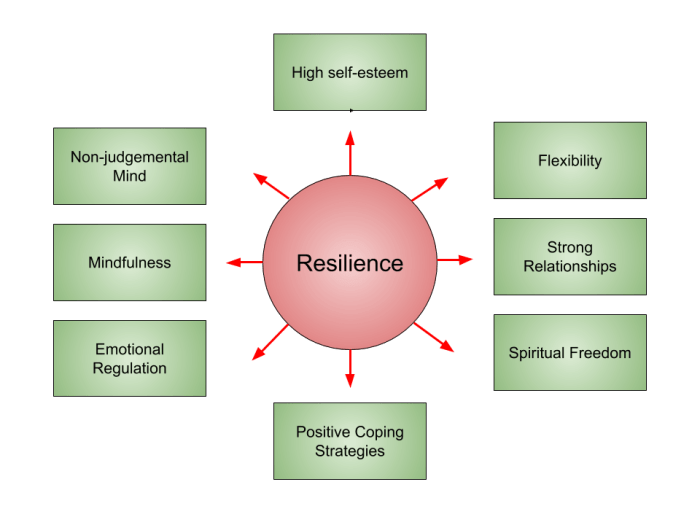
Resilience and emotional intelligence are interwoven strengths, crucial for navigating life’s challenges. This exploration delves into the practical application of these skills, offering strategies for managing stress, anxiety, and depression. We’ll examine the role of mindfulness, explore various therapeutic approaches, and discuss building resilience through self-care and supportive networks. Understanding and enhancing these capabilities empowers individuals to lead healthier, more fulfilling lives.
The journey towards greater resilience and emotional intelligence involves understanding their interconnected nature. High emotional intelligence – encompassing self-awareness, self-regulation, motivation, empathy, and social skills – significantly contributes to an individual’s ability to bounce back from adversity. This guide provides actionable steps and resources to cultivate these crucial skills, fostering a greater sense of well-being and inner strength.
Depression Support and Resources
Depression is a common and serious mood disorder that can significantly impact a person’s life. Understanding its signs, symptoms, and available support is crucial for effective management and recovery. This section provides information on recognizing depression and accessing vital resources for support and treatment.
Common Signs and Symptoms of Depression
Depression manifests differently in individuals, but some common signs and symptoms include persistent sadness, loss of interest or pleasure in activities, changes in appetite or weight, sleep disturbances (insomnia or excessive sleeping), fatigue or loss of energy, feelings of worthlessness or excessive guilt, difficulty concentrating, indecisiveness, and recurrent thoughts of death or suicide. It’s important to note that experiencing one or two of these symptoms doesn’t necessarily indicate depression; however, the persistent presence of several symptoms warrants seeking professional help.
The severity and duration of these symptoms vary greatly.
Available Support Resources for Individuals Experiencing Depression
Numerous resources are available to individuals struggling with depression. These resources offer various levels of support, from immediate crisis intervention to ongoing therapeutic care. Help is readily accessible through helplines, online support groups, and in-person therapy sessions. Helplines provide immediate support and guidance, connecting individuals with trained professionals who can offer advice and resources. Online support groups offer a sense of community and shared experience, allowing individuals to connect with others facing similar challenges.
Therapy provides a structured approach to address underlying issues contributing to depression.
The Role of Therapy and Medication in Depression Treatment
Therapy, often involving cognitive behavioral therapy (CBT) or interpersonal therapy (IPT), helps individuals identify and change negative thought patterns and behaviors contributing to depression. Medication, such as antidepressants, can be prescribed by a psychiatrist or doctor to help regulate brain chemistry and alleviate symptoms. The most effective treatment approach often involves a combination of therapy and medication, tailored to the individual’s specific needs and circumstances.
For example, CBT might focus on teaching coping mechanisms for managing stressful situations, while medication might help stabilize mood and energy levels. This combined approach offers a comprehensive strategy for managing and recovering from depression.
Reputable Organizations Offering Depression Support
Several reputable organizations offer support and resources for individuals experiencing depression. These organizations provide valuable information, support groups, and access to professional help.
- The National Institute of Mental Health (NIMH): Offers comprehensive information on depression, including symptoms, diagnosis, treatment, and research findings.
- The Depression and Bipolar Support Alliance (DBSA): Provides support groups, educational materials, and advocacy for individuals and families affected by mood disorders.
- The National Alliance on Mental Illness (NAMI): Offers support groups, educational programs, and advocacy for individuals and families affected by mental illness.
- The Substance Abuse and Mental Health Services Administration (SAMHSA): Provides a national helpline (SAMHSA’s National Helpline: 1-800-662-HELP (4357)) and resources for individuals struggling with mental health and substance use disorders.
Mindfulness Practices for Enhanced Well-being
Mindfulness, the practice of paying attention to the present moment without judgment, offers a powerful pathway to improved mental health and overall well-being. By cultivating awareness of our thoughts, feelings, and bodily sensations, we can reduce stress, enhance emotional regulation, and foster greater resilience in the face of life’s challenges. This involves a shift from constantly reacting to our experiences to observing them with a sense of curiosity and acceptance.Mindfulness and its impact on mental health are supported by a growing body of scientific research.
Studies have shown that regular mindfulness practice can reduce symptoms of anxiety and depression, improve sleep quality, and increase feelings of self-compassion and emotional regulation. The practice helps to break the cycle of negative thought patterns and emotional reactivity, fostering a more balanced and grounded perspective.
Guided Meditation for Stress Reduction and Self-Compassion, Resilience and emotional intelligence
This guided meditation encourages relaxation and cultivates self-compassion. Find a quiet space where you can sit or lie down comfortably. Close your eyes gently. Begin by noticing your breath, the rise and fall of your chest or abdomen. As you breathe in, feel the air filling your lungs, and as you breathe out, notice the gentle release.
If your mind wanders, simply acknowledge the thought without judgment and gently redirect your attention back to your breath.Now, bring to mind a situation that has been causing you stress. Notice any physical sensations associated with this stress – tension in your shoulders, tightness in your chest, or perhaps a racing heart. Acknowledge these sensations without trying to change them.
Simply observe them with a sense of kindness and understanding.Next, imagine a warm, comforting presence enveloping you. This could be a loved one, a pet, or simply a feeling of inner peace. Allow yourself to feel supported and held. Repeat silently to yourself, “May I be kind to myself,” or “May I be at peace.” Repeat this phrase several times, letting the words soothe and comfort you.Finally, gently bring your awareness back to your breath.
When you are ready, slowly open your eyes. Take a few moments to appreciate the feeling of calm and self-compassion.
Practical Exercises for Daily Mindfulness
Incorporating mindfulness into daily life doesn’t require hours of meditation. Even brief moments of focused attention can have a significant impact. The key is consistency and intentionality.Practicing mindful breathing throughout the day is a simple yet powerful technique. Whenever you feel stressed or overwhelmed, take a few deep breaths, focusing on the sensation of the air entering and leaving your body.
This can help to calm your nervous system and center your attention.Mindful eating involves paying close attention to the taste, texture, and smell of your food. This helps you savor each bite and promotes a greater appreciation for the nourishment you are receiving. It also encourages a more mindful relationship with food, which can be beneficial for those struggling with emotional eating.Mindful walking involves paying attention to the sensations of your feet on the ground, the movement of your body, and the sights and sounds around you.
This can be a grounding and calming experience, helping to quiet the mind and reduce stress.
Mindfulness and Emotional Regulation
Mindfulness cultivates emotional regulation by creating a space between our experience and our reaction. Instead of automatically reacting to emotions, we learn to observe them with curiosity and acceptance. This allows us to respond to challenging emotions in a more thoughtful and constructive way, rather than being overwhelmed by them. For example, instead of being swept away by anger, we can notice the physical sensations of anger – the tightening in our chest, the clenching of our jaw – and then choose a more measured response.
This mindful approach helps to build resilience by fostering emotional flexibility and reducing the intensity of emotional responses.
Mental Health Advocacy and Awareness
Openly discussing mental health is crucial for fostering a supportive and understanding society. Reducing the stigma associated with mental illness is paramount to ensuring individuals feel comfortable seeking help and accessing necessary resources. This involves a multifaceted approach encompassing community engagement, educational initiatives, and targeted awareness campaigns.The pervasive stigma surrounding mental health significantly hinders individuals from seeking help.
Fear of judgment, discrimination, and social isolation often prevents people from disclosing their struggles, leading to delayed treatment and worsening conditions. This stigma is perpetuated by misconceptions, misinformation, and a lack of understanding about mental health conditions. Effective advocacy requires actively challenging these negative perceptions and promoting a culture of empathy and support.
Strategies for Promoting Mental Health Awareness in Communities
Effective community engagement is vital for destigmatizing mental health and increasing awareness. This can involve collaborating with local organizations, schools, and community leaders to implement various initiatives. These initiatives could include workshops, seminars, and public awareness events aimed at educating the community about mental health issues, available resources, and the importance of seeking help. Furthermore, utilizing social media platforms and local media outlets can effectively disseminate information and reach a wider audience.
Partnerships with local businesses can provide platforms for promoting mental health awareness through workplace initiatives and community outreach programs. For example, a local bakery might offer a “Mental Health Awareness Day” promotion, donating a portion of proceeds to a local mental health charity and providing educational materials to customers.
Creating a Campaign for Raising Awareness about Mental Health Resources
A successful awareness campaign needs a clear message, target audience, and measurable goals. The campaign should focus on readily accessible resources, such as helplines, online support groups, and local mental health clinics. The campaign’s messaging should be empathetic, informative, and action-oriented, encouraging individuals to seek help and providing clear steps on how to access resources. For instance, a campaign might feature compelling personal stories of individuals who have successfully navigated mental health challenges with the help of available resources.
This campaign could utilize various media channels, including social media, print advertisements, and public service announcements. The use of a memorable slogan and visually appealing graphics can enhance the campaign’s impact and memorability. For example, a slogan like “It’s Okay Not to Be Okay” paired with imagery depicting supportive human connection could resonate deeply with the target audience.
The campaign’s success should be evaluated through metrics such as website traffic, social media engagement, and helpline calls.
The Role of Education in Improving Mental Health Literacy
Integrating mental health education into school curricula is essential for fostering mental health literacy among young people. This involves providing age-appropriate information about various mental health conditions, coping mechanisms, and available resources. By educating children and adolescents about mental health, we can equip them with the knowledge and skills necessary to recognize signs and symptoms of mental illness in themselves and others.
Furthermore, incorporating mental health education into teacher training programs can empower educators to create a supportive and inclusive classroom environment. This education should also address the importance of seeking help and destigmatizing mental health issues. A comprehensive curriculum would include discussions about stress management, emotional regulation, and healthy coping strategies. The integration of mental health education within the existing curriculum could also be supported by interactive workshops and peer support programs, promoting a proactive approach to mental well-being.
Therapy and Counseling Options
Seeking professional help for mental health concerns is a significant step towards well-being. Therapy and counseling offer structured approaches to address a wide range of emotional, psychological, and behavioral challenges. Different therapeutic modalities employ varying techniques and theoretical frameworks, making it crucial to understand the nuances of each to find the best fit for individual needs.
Types of Therapy: A Comparison
Several therapeutic approaches exist, each with its own strengths and limitations. Cognitive Behavioral Therapy (CBT), Dialectical Behavior Therapy (DBT), and Psychodynamic Therapy represent three prominent examples. Understanding their core principles and applications helps individuals make informed decisions about their treatment.
Cognitive Behavioral Therapy (CBT)
CBT focuses on the interplay between thoughts, feelings, and behaviors. It posits that maladaptive thought patterns contribute to emotional distress and problematic behaviors. Through collaborative work with a therapist, individuals identify and challenge negative or distorted thinking, replacing them with more balanced and realistic perspectives. CBT often involves behavioral experiments and skill-building exercises to address specific challenges.
A benefit of CBT is its structured and goal-oriented approach, making it effective for treating conditions like anxiety and depression. However, it may not be as suitable for individuals struggling with deeply ingrained personality issues or complex trauma.
Dialectical Behavior Therapy (DBT)
DBT is a type of CBT specifically designed for individuals experiencing intense emotions and difficulties regulating their behavior. It emphasizes the importance of acceptance and change, teaching skills in mindfulness, distress tolerance, emotion regulation, and interpersonal effectiveness. DBT is particularly helpful for those with borderline personality disorder, but it can also be beneficial for individuals with other conditions characterized by emotional instability.
The intensive nature of DBT, often involving individual and group therapy, is a strength, but it also requires significant commitment from the client. The focus on acceptance alongside change might not resonate with all individuals.
Psychodynamic Therapy
Psychodynamic therapy explores unconscious patterns and past experiences to understand present-day difficulties. It emphasizes the role of early childhood relationships and unresolved conflicts in shaping personality and behavior. Through techniques like free association and dream analysis, clients gain insight into their unconscious processes and underlying motivations. Psychodynamic therapy can be a long-term process, promoting deep self-understanding and personal growth.
While it can be highly effective for addressing deep-seated issues, it can be less structured and may not be suitable for individuals seeking quick solutions or those with limited time or financial resources.
Finding a Qualified Therapist
Selecting a therapist requires careful consideration. Several resources can aid in this process. Referral networks from primary care physicians or mental health organizations can provide recommendations. Online directories, such as those offered by professional organizations, allow searching for therapists based on location, specialization, and insurance coverage. Reading therapist profiles and reviews can offer insights into their approach and experience.
Questions to Ask Potential Therapists
Before committing to therapy, it’s beneficial to have an initial consultation to assess compatibility. Asking clarifying questions ensures a good fit between the therapist and the client’s needs and preferences.
- What is your approach to therapy, and how does it align with my specific needs?
- What is your experience treating conditions similar to mine?
- What are your fees and insurance policies?
- What is your approach to confidentiality?
- What are your expectations of me as a client, and what can I expect from you as my therapist?
- What is your cancellation policy?
- Can you provide references or testimonials from previous clients?
Building Resilience
Building resilience is a crucial life skill, enabling us to navigate challenges, bounce back from setbacks, and thrive even in the face of adversity. It’s not about avoiding hardship, but about developing the internal strength and external resources to cope effectively and emerge stronger. This involves a multifaceted approach encompassing practical strategies, positive self-perception, and supportive relationships.
Practical Strategies for Building Resilience
Developing resilience is an active process requiring consistent effort and self-awareness. Several practical strategies can significantly enhance your ability to weather life’s storms. These strategies focus on proactive preparation, adaptive coping mechanisms, and a focus on self-care. Consistent application of these strategies over time strengthens resilience.
- Identify and manage stressors: Recognize what triggers stress and develop coping mechanisms, such as deep breathing exercises or mindfulness techniques, to manage these triggers effectively.
- Set realistic goals: Avoid overwhelming yourself with unattainable targets. Break down large goals into smaller, manageable steps, celebrating each milestone achieved.
- Maintain a healthy lifestyle: Regular exercise, a balanced diet, and sufficient sleep are fundamental to physical and mental well-being, bolstering resilience against stress.
- Practice problem-solving: Develop your ability to analyze problems systematically, identifying potential solutions and evaluating their effectiveness. This proactive approach minimizes feelings of helplessness.
- Learn from setbacks: View challenges as opportunities for growth and learning. Analyze what went wrong, identify areas for improvement, and adjust your approach accordingly.
The Role of Positive Self-Talk and Self-Compassion in Building Resilience
Positive self-talk and self-compassion are integral to building resilience. Negative self-criticism erodes resilience, while positive self-perception and self-acceptance fortify it. This internal dialogue significantly impacts our ability to cope with stress and adversity.Positive self-talk involves consciously replacing negative thoughts with positive and realistic affirmations. For example, instead of thinking “I’m a failure,” try “This didn’t go as planned, but I can learn from this and try again.” Self-compassion involves treating yourself with the same kindness and understanding you would offer a friend facing similar challenges.
This includes acknowledging your feelings without judgment and offering yourself support and encouragement.
Developing a Strong Support Network
A strong support network provides crucial emotional, practical, and social resources during challenging times. This network acts as a buffer against stress, offering comfort, advice, and practical assistance.Building a strong support network involves actively cultivating relationships with people who offer positive influence and support. This could involve strengthening existing relationships with family and friends, joining social groups based on shared interests, or seeking professional support from therapists or counselors.
Regularly connecting with your support network, both in good times and bad, reinforces these vital relationships and builds a resilient foundation.
Visual Representation of Building Resilience
Imagine a sturdy oak tree. The roots represent your support network – family, friends, community, and professional help. The trunk is your core self – your values, beliefs, and self-compassion. The branches are your coping mechanisms – problem-solving skills, positive self-talk, healthy lifestyle choices. The leaves are your growth and adaptability, constantly changing and renewing in response to the environment (challenges).
Storms (adversity) may shake the tree, but its strong roots and sturdy trunk allow it to weather the storm and continue to grow stronger. The leaves may fall, representing setbacks, but new ones will emerge in time, showcasing resilience and renewal.
Workplace Mental Health and Well-being: Resilience And Emotional Intelligence
Promoting mental health in the workplace is crucial for fostering a productive and thriving environment. A mentally healthy workforce is more engaged, creative, and efficient, ultimately contributing to a company’s overall success. Ignoring employee mental well-being leads to decreased productivity, increased absenteeism, and higher turnover rates. A proactive approach to mental health is therefore not just ethically sound but also economically beneficial.
Strategies for Promoting Mental Health in the Workplace
Implementing effective strategies requires a multifaceted approach. This involves creating a culture of open communication, providing accessible resources, and offering practical support mechanisms. A key element is ensuring employees feel comfortable discussing mental health concerns without fear of judgment or repercussions. This requires leadership buy-in and consistent messaging throughout the organization.
The Role of Employers in Supporting Employee Mental Well-being
Employers have a significant responsibility in creating a mentally healthy workplace. This extends beyond simply providing employee assistance programs (EAPs). Active involvement includes fostering a supportive and inclusive culture, providing training for managers on recognizing and addressing mental health concerns, and implementing policies that promote work-life balance and flexible work arrangements. Regular communication regarding mental health initiatives and resources is also essential.
Furthermore, employers should consider offering mental health workshops, mindfulness training, or access to mental health professionals.
Benefits of a Supportive and Inclusive Work Environment
A supportive and inclusive work environment significantly impacts employee well-being and organizational success. When employees feel valued, respected, and understood, they are more likely to be engaged, productive, and committed to their work. This translates to lower absenteeism, reduced turnover, improved morale, and enhanced creativity and innovation. A culture of inclusivity also attracts and retains top talent, giving the company a competitive edge in the job market.
Studies consistently demonstrate a positive correlation between a supportive workplace culture and employee mental health outcomes. For example, a study by the American Psychological Association found that employees who felt supported by their supervisors reported significantly lower levels of stress and burnout.
A Workplace Mental Health Program: Stress Management and Resilience-Building
A comprehensive workplace mental health program should incorporate various elements designed to address stress and build resilience. This might include:
- Stress Management Workshops: These workshops could teach practical techniques such as mindfulness, deep breathing exercises, and time management strategies.
- Resilience Training: Programs focused on building resilience equip employees with skills to cope with challenges and bounce back from adversity. This might involve cognitive behavioral therapy (CBT) techniques or other evidence-based approaches.
- Flexible Work Arrangements: Offering options such as flexible hours, remote work opportunities, and compressed workweeks can help employees better manage their work-life balance and reduce stress.
- Employee Assistance Programs (EAPs): Providing access to confidential counseling and support services is vital. EAPs offer a valuable resource for employees facing personal or work-related challenges.
- Mental Health Awareness Campaigns: Regular campaigns that raise awareness about mental health issues and available resources can help reduce stigma and encourage help-seeking behavior.
This program should be regularly evaluated and adapted based on employee feedback and needs. Regular communication and feedback mechanisms are crucial to its success.
Overcoming Addictions and Building Resilience
Addiction and mental health are intricately linked; often, one exacerbates the other, creating a challenging cycle. Mental health conditions like depression, anxiety, and trauma can increase the risk of developing an addiction, while addiction itself can worsen existing mental health issues or trigger new ones. Understanding this complex relationship is crucial for effective treatment and recovery.The ability to bounce back from adversity, known as resilience, plays a pivotal role in overcoming addiction.
Resilient individuals possess coping mechanisms and support systems that help them navigate the challenges of recovery, such as cravings, setbacks, and social pressures. Building resilience strengthens an individual’s capacity to manage stress, regulate emotions, and maintain sobriety.
The Connection Between Addiction and Mental Health
Substance abuse and mental health disorders frequently coexist, a phenomenon known as comorbidity. For example, someone struggling with depression might turn to alcohol or drugs for temporary relief, leading to dependence. Conversely, addiction can trigger or worsen depression, anxiety, and other mental health problems. This bidirectional relationship highlights the need for integrated treatment approaches that address both the addiction and the underlying mental health conditions simultaneously.
Effective treatment often involves a combination of medication, therapy, and support groups.
The Role of Resilience in Recovery from Addiction
Resilience is not merely the absence of hardship; it’s the ability to adapt and thrive in the face of adversity. In addiction recovery, resilience manifests in various ways: it enables individuals to cope with cravings, navigate stressful situations without relapse, and maintain motivation throughout the recovery process. Developing resilience involves cultivating self-awareness, building strong support networks, and practicing coping skills to manage triggers and setbacks.
For example, someone with strong resilience might proactively seek support from a sponsor or therapist when facing a difficult situation, rather than resorting to substance use.
Available Resources for Addiction Treatment and Support
Numerous resources are available to assist individuals in their journey to recovery. These include:
- Rehabilitation Centers: These facilities offer intensive, structured programs that address both the physical and psychological aspects of addiction.
- Support Groups: Groups like Alcoholics Anonymous (AA) and Narcotics Anonymous (NA) provide a supportive community and shared experience for individuals in recovery.
- Therapy: Individual and group therapy can help individuals address underlying mental health issues, develop coping mechanisms, and build resilience.
- Medication-Assisted Treatment (MAT): MAT combines medication with counseling and behavioral therapies to treat substance use disorders.
- Online Resources: Websites and apps offer information, support, and resources for individuals struggling with addiction.
Developing a Recovery Plan: A Step-by-Step Guide
Creating a personalized recovery plan is essential for success. This plan should be tailored to individual needs and circumstances.
- Acknowledge the Problem: The first step is to honestly recognize and accept the existence of the addiction.
- Seek Professional Help: Consulting a doctor or therapist is crucial for assessment, diagnosis, and treatment planning.
- Identify Triggers and High-Risk Situations: Understanding personal triggers and avoiding high-risk environments is essential for preventing relapse.
- Develop Coping Mechanisms: Learning healthy ways to manage stress, cravings, and emotions is critical for long-term recovery.
- Build a Support System: Surround yourself with supportive friends, family, and professionals who understand and encourage your recovery journey.
- Set Realistic Goals: Establishing achievable goals, both short-term and long-term, helps maintain motivation and track progress.
- Practice Self-Care: Prioritizing physical and mental health through exercise, healthy eating, and mindfulness techniques is essential for overall well-being.
- Celebrate Successes: Acknowledging and celebrating milestones along the way reinforces positive behavior and builds confidence.
Personal Growth and Self-Care Practices
Self-care is not a luxury; it’s a fundamental necessity for maintaining mental well-being and fostering resilience. Prioritizing self-care allows us to manage stress effectively, improve emotional regulation, and enhance our overall sense of self-worth. Neglecting self-care, on the other hand, can lead to burnout, increased vulnerability to mental health challenges, and a diminished capacity to cope with life’s stressors.
It’s about proactively nurturing our physical, emotional, and mental health to build a strong foundation for personal growth and a fulfilling life.Self-care involves actively engaging in activities that promote well-being and replenish our resources. It’s a personalized process, meaning what works for one person may not work for another. The key is to identify activities that genuinely nourish you and integrate them consistently into your daily routine.
Regular self-care practices contribute to improved mood, reduced anxiety, enhanced focus, and increased resilience in the face of adversity. This proactive approach strengthens our ability to navigate challenges and bounce back from setbacks, ultimately leading to a more balanced and fulfilling life.
The Importance of Self-Care in Maintaining Mental Well-being
Regular self-care significantly impacts mental well-being. It acts as a buffer against stress, reducing the likelihood of developing mental health issues. By engaging in activities that promote relaxation and rejuvenation, we improve our ability to manage emotions, fostering emotional resilience. This, in turn, enhances our coping mechanisms and reduces the impact of stressful situations. Furthermore, self-care promotes a sense of self-compassion and self-acceptance, leading to improved self-esteem and a greater capacity for positive self-talk.
Studies consistently demonstrate a strong correlation between consistent self-care practices and improved mental health outcomes. For example, research shows that individuals who regularly practice mindfulness experience reduced levels of anxiety and depression.
Practical Tips for Incorporating Self-Care Activities into Daily Life
Incorporating self-care into a busy schedule requires planning and commitment. Start small, by scheduling even just 15 minutes a day for a self-care activity. Make it a non-negotiable appointment with yourself. Find activities that fit seamlessly into your routine, such as listening to calming music during your commute or taking a short walk during your lunch break.
Utilize small pockets of time throughout the day for brief moments of mindfulness or deep breathing exercises. Consistency is key; even small, regular acts of self-care accumulate significant benefits over time. Consider using a planner or a mobile app to track your self-care activities and ensure accountability.
Examples of Self-Care Practices that Promote Emotional Regulation and Resilience
Numerous self-care practices can significantly improve emotional regulation and resilience. Mindfulness meditation, for instance, cultivates present moment awareness, reducing rumination and anxiety. Engaging in physical activity, such as yoga or a brisk walk, releases endorphins, naturally improving mood and reducing stress. Spending time in nature has been shown to lower cortisol levels (the stress hormone) and promote relaxation.
Journaling allows for emotional processing and self-reflection, facilitating better understanding of one’s emotions and triggers. Connecting with loved ones provides social support and a sense of belonging, crucial for mental well-being. Creative expression, through activities like painting or playing music, can be a powerful outlet for emotions.
A Personalized Self-Care Plan
A personalized self-care plan should be tailored to individual needs and preferences. It’s crucial to identify activities that genuinely resonate with you and bring you joy or relaxation. Consider incorporating a variety of activities to address different aspects of well-being. For example, a plan might include daily mindfulness meditation (10 minutes), a weekly yoga class, regular walks in nature (30 minutes, three times a week), and scheduled time for hobbies (at least one hour per week).
It’s important to be flexible and adjust the plan as needed, recognizing that life circumstances can impact our ability to adhere to a rigid schedule. Regularly review and reassess your plan to ensure it continues to meet your evolving needs. Remember, the goal is to create a sustainable self-care routine that supports your overall well-being and enhances your resilience.
Ultimately, cultivating resilience and emotional intelligence is a journey of self-discovery and personal growth. By actively engaging in self-care practices, seeking support when needed, and developing coping mechanisms for stress, individuals can build a strong foundation for navigating life’s inevitable challenges. This guide provides a framework, but the true power lies in consistent effort and a commitment to nurturing both emotional and mental well-being.
Remember, resilience isn’t about avoiding hardship; it’s about thriving despite it.
Key Questions Answered
What is the difference between resilience and emotional intelligence?
Resilience is the ability to bounce back from adversity. Emotional intelligence is the ability to understand and manage your own emotions and the emotions of others. While distinct, they are interconnected; high emotional intelligence fosters greater resilience.
Can emotional intelligence be learned?
Yes, emotional intelligence is a skill that can be developed and improved through self-reflection, practice, and learning. Techniques like mindfulness and therapy can significantly enhance emotional intelligence.
How can I improve my resilience in the workplace?
Establish healthy boundaries, prioritize self-care, build strong relationships with colleagues, seek support from supervisors or HR, and proactively manage stress through techniques like mindfulness or exercise.
Is there a quick fix for building resilience?
No, building resilience is a process that requires consistent effort and self-awareness. It involves developing healthy coping mechanisms, building supportive relationships, and practicing self-compassion.