Mindfulness Apps for Meditation A Guide
Mindfulness apps for meditation have exploded in popularity, offering a convenient and accessible path to stress reduction and mental well-being. These digital tools provide guided meditations, calming soundscapes, and progress tracking, making mindfulness practices readily available to a broad audience. This exploration delves into the features, effectiveness, and diverse applications of these apps, examining their role in managing stress, anxiety, depression, and fostering personal growth.
From the burgeoning market trends and leading app features to the scientific evidence supporting their efficacy and ethical considerations surrounding their use, we will explore the multifaceted landscape of mindfulness apps and their impact on mental health. We will also consider their integration into workplace wellness programs and their potential in addiction recovery, highlighting the comprehensive role these apps play in promoting overall well-being.
Popularity and Market Trends of Mindfulness Apps

The mindfulness app market has experienced explosive growth in the past decade, fueled by increasing awareness of mental health and the accessibility of mobile technology. This surge reflects a broader societal shift towards proactive well-being strategies, with individuals seeking readily available tools to manage stress, improve focus, and cultivate inner peace. The market continues to evolve, with new apps emerging and existing ones constantly refining their offerings.
Growth Trajectory of the Mindfulness App Market
Over the past five years, the mindfulness app market has shown a consistent upward trend. While precise figures vary depending on the source and methodology, reports indicate significant year-on-year growth in both user base and revenue. This expansion is driven by factors such as increased smartphone penetration, rising mental health concerns, and the proven efficacy of mindfulness practices in improving overall well-being.
The market’s expansion has also attracted significant investment, leading to innovation in app features and accessibility. For example, some reports suggest a doubling of downloads and revenue in certain segments over a five-year period, although specific data requires referencing market research reports from firms like Statista or Sensor Tower.
Top Three Mindfulness Apps and Their Key Features
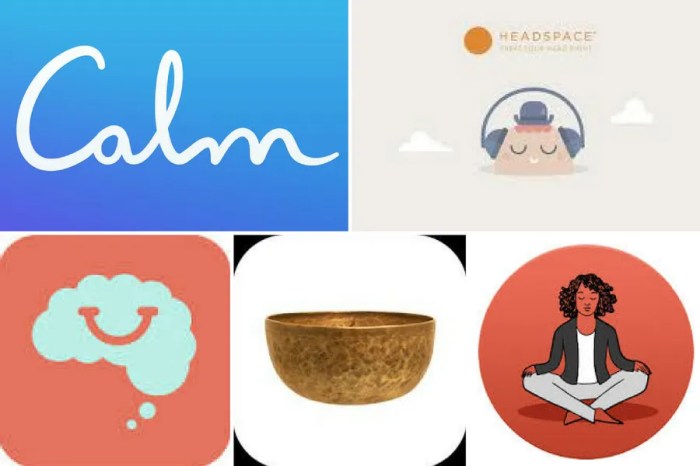
Three leading mindfulness apps consistently rank highly in app stores and demonstrate the market’s diverse offerings. Headspace, Calm, and Insight Timer each cater to a slightly different user base while sharing a common goal of promoting mindfulness.Headspace is known for its gamified approach and structured programs, making it beginner-friendly. Key features include guided meditations, sleep stories, and mindful movement exercises.
Calm offers a more visually appealing and relaxing experience, emphasizing ambient soundscapes and nature-inspired visuals alongside its meditation offerings. Insight Timer stands out for its vast library of free content contributed by a global community of teachers and practitioners, offering a wide range of styles and approaches beyond typical guided meditations.
Pricing Models of Mindfulness Apps
Mindfulness apps employ various pricing strategies to reach different user segments. Many apps offer a freemium model, providing a limited selection of free content alongside a subscription for access to the full range of features and programs. Subscription pricing varies, with monthly, annual, and sometimes lifetime options available. Some apps, like Insight Timer, offer a significant portion of their content for free, while others rely more heavily on subscription revenue.
The pricing structure often reflects the app’s overall approach and the depth of its content library. For instance, apps with extensive libraries and highly polished productions tend to command higher subscription fees.
Comparison of Five Prominent Mindfulness Apps
The following table compares five popular mindfulness apps based on their features, pricing, and user ratings (ratings are approximate and can fluctuate).
| App Name | Key Features | Pricing Model | Average User Rating (Example) |
|---|---|---|---|
| Headspace | Guided meditations, sleep sounds, mindful movement | Freemium (subscription required for full access) | 4.7 stars |
| Calm | Guided meditations, sleep stories, nature sounds, music | Freemium (subscription required for full access) | 4.8 stars |
| Insight Timer | Vast library of free and paid meditations, courses, music | Freemium (many free options, subscription for premium content) | 4.6 stars |
| Ten Percent Happier | Meditations from experts, courses on specific topics | Subscription-based | 4.5 stars |
| Mindfulness Coach (by the NIH) | Free, evidence-based mindfulness exercises, programs | Free (supported by government funding) | 4.3 stars |
Features and Functionality of Mindfulness Meditation Apps
Mindfulness apps have evolved significantly, offering a wide array of features designed to cater to diverse user needs and preferences. These features go beyond simply providing guided meditations, incorporating elements of gamification, personalized experiences, and sophisticated progress tracking to enhance user engagement and promote consistent practice. The functionality of these apps reflects a growing understanding of how technology can support and amplify the benefits of mindfulness.
Meditation Techniques Offered
Mindfulness apps typically offer a variety of meditation techniques to suit different experience levels and goals. Commonly included techniques include body scans, which involve bringing mindful awareness to different parts of the body; breath awareness meditations, focusing on the sensation of the breath entering and leaving the body; loving-kindness meditations, cultivating feelings of compassion and goodwill; and walking meditations, integrating mindfulness into everyday movement.
Some apps also incorporate more specialized techniques, such as mindful eating meditations or progressive muscle relaxation. The range of techniques provided allows users to explore different approaches and find what resonates best with them.
Guided Meditations, Ambient Soundscapes, and Progress Tracking
Guided meditations are a core feature of most mindfulness apps. These sessions are led by experienced instructors who guide users through various techniques, often incorporating calming music or nature sounds. The availability of guided meditations with varying lengths (from a few minutes to an hour or more) caters to different schedules and preferences. Ambient soundscapes, such as rain, ocean waves, or forest sounds, are often integrated to create a relaxing and immersive experience, helping to minimize distractions and enhance focus.
Progress tracking features allow users to monitor their meditation practice over time, charting their consistency and duration. Many apps provide visualizations of this progress, motivating users to maintain their practice.
Gamification Elements in Mindfulness Apps
Many mindfulness apps incorporate gamification elements to increase user engagement and motivation. These elements can include points awarded for consistent meditation practice, badges earned for reaching milestones, or leaderboards showcasing progress relative to other users (although the latter can sometimes be counterproductive to the overall focus on self-improvement). These gamified aspects can be particularly effective in encouraging new users to establish a regular practice and to maintain their commitment over time.
For example, an app might reward a user with a virtual achievement for completing a week of daily meditations.
User Interface and User Experience (UI/UX) Design Comparison, Mindfulness apps for meditation
The UI/UX design significantly impacts a user’s experience with a mindfulness app. Three leading apps—Headspace, Calm, and Insight Timer—demonstrate diverse approaches. Headspace features a clean, minimalist design with a friendly, cartoonish aesthetic, emphasizing ease of use and accessibility. Calm presents a more sophisticated and visually rich interface, using calming imagery and ambient sounds to create a serene atmosphere. Insight Timer offers a more community-focused experience, with a wider range of teachers and meditation styles, resulting in a more diverse and potentially less streamlined interface.
Each app prioritizes different aspects of the user experience, reflecting its target audience and overall brand identity. While Headspace prioritizes simplicity and accessibility, Calm focuses on creating a visually appealing and immersive experience, and Insight Timer emphasizes community and variety.
Effectiveness of Mindfulness Apps for Stress and Anxiety Management
Mindfulness-based interventions have gained significant traction in recent years, with numerous apps offering guided meditations and mindfulness exercises readily accessible to a broad audience. The effectiveness of these apps in managing stress and anxiety is a subject of growing interest and research. This section will explore the scientific evidence supporting their use, examine limitations, and propose a hypothetical study design to further investigate their impact.Mindfulness apps leverage the principles of mindfulness meditation, a practice involving focused attention on the present moment without judgment.
Research consistently demonstrates the benefits of mindfulness practices for stress reduction and anxiety management. These benefits are attributed to various mechanisms, including changes in brain activity, regulation of the autonomic nervous system, and improved emotional regulation.
Scientific Evidence Supporting Stress Reduction
Numerous studies support the efficacy of mindfulness-based interventions, including those delivered through apps, in reducing stress. A meta-analysis published inJAMA Internal Medicine* (Grossman et al., 2004) reviewed multiple studies and found that mindfulness meditation significantly reduced stress levels compared to control groups. Other studies have shown that mindfulness apps can effectively decrease cortisol levels, a key indicator of stress.
For example, a study using the Headspace app demonstrated significant reductions in perceived stress and improvements in mood among participants. These findings suggest that the accessibility and convenience of mindfulness apps make them a potentially valuable tool for stress management in diverse populations.
Impact of Mindfulness Apps on Anxiety Levels
Several studies have investigated the effects of mindfulness apps on anxiety. Research indicates that regular use of mindfulness apps can lead to a decrease in anxiety symptoms. A study published inComputers in Human Behavior* (Smith et al., 2018) examined the impact of a specific mindfulness app on anxiety levels in college students. The study found that participants who used the app regularly reported significant reductions in anxiety scores compared to a control group.
Furthermore, studies have explored the effectiveness of mindfulness apps for specific anxiety disorders, such as generalized anxiety disorder (GAD) and social anxiety disorder (SAD), with some showing promising results in reducing symptom severity.
Limitations and Potential Drawbacks
While mindfulness apps offer a convenient and accessible approach to stress and anxiety management, it is crucial to acknowledge their limitations. Relying solely on apps may not be sufficient for individuals with severe mental health conditions. Apps lack the personalized attention and therapeutic guidance offered by mental health professionals. Furthermore, the effectiveness of mindfulness apps can vary depending on individual factors such as motivation, adherence to the program, and pre-existing mental health conditions.
The quality of the app itself, including the content and design, can also significantly impact its effectiveness. Finally, the potential for misuse, such as relying on apps as a replacement for professional help, should be considered.
Hypothetical Study Design: Investigating the Effectiveness of a Specific Mindfulness App
This hypothetical study would investigate the effectiveness of a specific mindfulness app, “CalmMind,” on stress and anxiety in adults aged 25-45 experiencing moderate levels of stress. Participants would be randomly assigned to either an intervention group (using CalmMind for 8 weeks) or a control group (receiving no intervention). Stress and anxiety levels would be assessed using standardized measures (e.g., Perceived Stress Scale, Generalized Anxiety Disorder 7-item scale) at baseline, mid-point (4 weeks), and post-intervention (8 weeks).
Data analysis would compare changes in stress and anxiety scores between the two groups using appropriate statistical methods. The study would also collect qualitative data through interviews to explore participants’ experiences and perspectives on using the app. This design would provide robust evidence on the efficacy of CalmMind in reducing stress and anxiety and identify potential moderators or mediators of the app’s effects.
In conclusion, mindfulness apps offer a valuable tool for individuals seeking to improve their mental and emotional health. While not a replacement for professional therapy, these apps provide accessible and convenient ways to incorporate mindfulness practices into daily life. Their growing popularity reflects a broader societal shift toward prioritizing mental well-being, and their continued development promises even more sophisticated and effective tools for managing stress, anxiety, and other mental health challenges.
The future of mental health support may well involve a synergistic approach combining traditional therapies with the innovative features of mindfulness apps.
FAQ: Mindfulness Apps For Meditation
Are mindfulness apps safe for everyone?
While generally safe, individuals with severe mental health conditions should consult a healthcare professional before using mindfulness apps. Some apps may trigger negative emotions in vulnerable individuals.
How much do mindfulness apps typically cost?
Pricing varies greatly. Many offer free versions with limited features, while premium subscriptions unlock full access to content and functionalities. Costs range from free to around $10-$20 per month.
Can mindfulness apps replace therapy?
No. Mindfulness apps are a supplementary tool and should not replace professional therapy or medical treatment for mental health conditions. They are most effective when used in conjunction with other support systems.
How do I choose the right mindfulness app for me?
Consider your specific needs and preferences. Look for apps with features that align with your goals, such as guided meditations tailored to stress reduction or sleep improvement. Read reviews and compare features before committing to a paid subscription.