Depression Self-Help Resources A Guide
Depression self-help resources offer a vital pathway to managing and overcoming depressive symptoms. This guide explores a range of strategies, from identifying reliable information sources and utilizing stress management techniques to leveraging community support and building personal resilience. We’ll delve into mindfulness practices, therapeutic options, and the crucial connection between sleep, mental health, and overall well-being. Understanding the multifaceted nature of depression and employing proactive self-care strategies are key to navigating this challenging experience.
The information provided here is intended for educational purposes and should not be considered a substitute for professional medical advice. Always consult with a qualified healthcare professional for diagnosis and treatment of any mental health condition.
Overcoming Addictions and Their Impact on Mental Health
Addiction and depression frequently coexist, creating a complex cycle of challenges. Substance use or addictive behaviors can initially seem like a coping mechanism for depression’s symptoms, like sadness, anxiety, or low self-esteem. However, these actions often worsen underlying depression, leading to a vicious cycle where the addiction fuels the depression and vice-versa. Addressing both issues concurrently is crucial for lasting recovery.
Ignoring one while focusing on the other rarely yields sustainable results.The connection between addiction and depression is multifaceted. Neurochemical imbalances, genetic predispositions, and shared environmental risk factors often contribute to the development of both conditions. For instance, chronic substance use alters brain chemistry, impacting mood regulation and increasing vulnerability to depression. Similarly, individuals with pre-existing depression may be more likely to turn to substances as a means of self-medication, ultimately exacerbating their mental health challenges.
Effective treatment necessitates a holistic approach that tackles both the addiction and the underlying depression simultaneously.
Resources and Support Systems for Addiction and Co-occurring Disorders, Depression self-help resources
Many resources exist to support individuals grappling with addiction and co-occurring mental health disorders. These range from individual and group therapy to medication-assisted treatment and peer support programs. Specialized treatment centers often offer integrated care, addressing both the addiction and the mental health condition within a single therapeutic framework. This integrated approach ensures a coordinated and comprehensive treatment plan tailored to the individual’s specific needs.
Strategies for Preventing Relapse and Maintaining Long-Term Recovery
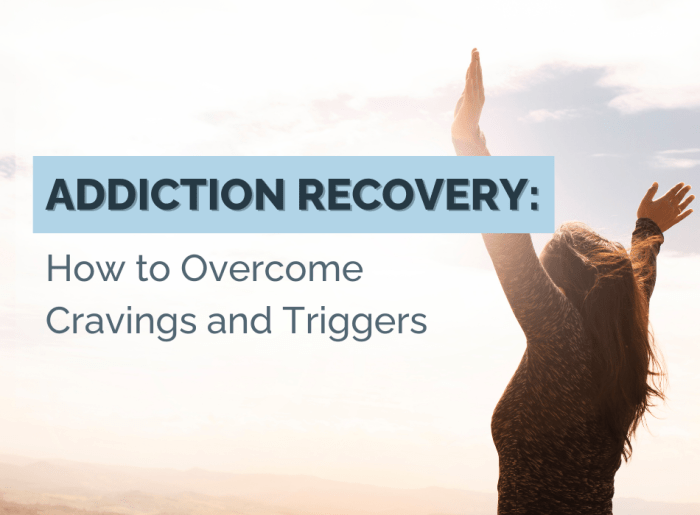
Preventing relapse requires a multi-pronged strategy focused on developing coping mechanisms, building a strong support network, and actively managing triggers. Developing healthy coping mechanisms, such as exercise, mindfulness, or engaging in hobbies, can help individuals manage cravings and emotional distress without resorting to addictive behaviors. A strong support network, including family, friends, or support groups, provides crucial emotional support and accountability during recovery.
Identifying and managing triggers – situations, people, or places associated with past substance use – is essential for preventing relapse. Regular therapy sessions, participation in support groups like Alcoholics Anonymous or Narcotics Anonymous, and consistent adherence to medication (if prescribed) are also vital components of long-term recovery. Relapse prevention planning, which involves anticipating potential challenges and developing strategies to overcome them, is a proactive approach that significantly enhances recovery outcomes.
For example, a plan might include identifying alternative activities for times of stress or having a pre-determined contact person to call when cravings arise.
Ultimately, navigating depression requires a holistic approach that combines self-help strategies with professional guidance when necessary. By understanding the available resources, developing effective coping mechanisms, and fostering a supportive environment, individuals can build resilience, manage symptoms, and improve their overall well-being. Remember, seeking help is a sign of strength, and there is support available to guide you on your journey towards recovery.
Detailed FAQs: Depression Self-help Resources
What if I can’t afford therapy?
Many communities offer low-cost or sliding-scale therapy options. Check with local mental health clinics or search online for resources specific to your area.
How do I know if a resource is trustworthy?
Look for sources backed by evidence-based research, written by qualified professionals (like licensed therapists or psychologists), and transparent about their funding and potential biases.
Is it okay to use multiple self-help methods at once?
Yes, but it’s important to approach them thoughtfully. Start with one or two methods and gradually incorporate others as you feel comfortable. Listen to your body and adjust as needed.
What if self-help isn’t enough?
Self-help is a valuable tool, but it’s not a replacement for professional help. If your symptoms are severe or persistent, seek guidance from a therapist or psychiatrist.